
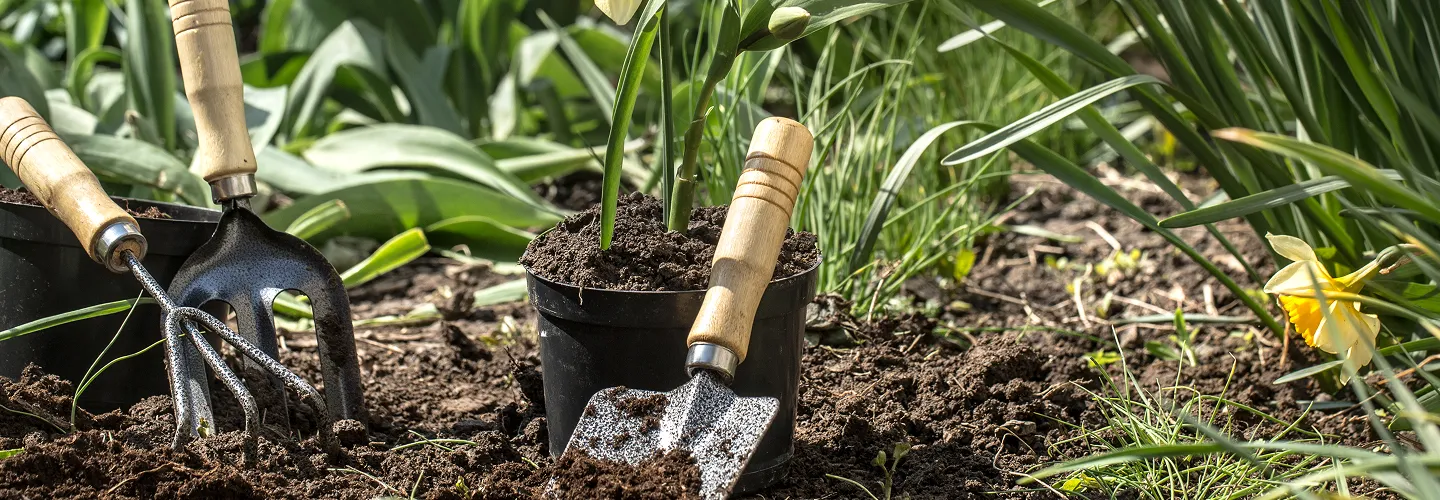
Converse Lawn Edging Services
Choose our Lawn Edging for a polished, professional look that enhances curb appeal, prevents grass overgrowth, and makes yard maintenance easier than ever.
Get a Free QuoteOur Converse Landscaping & Yard Care Services
When to Schedule Lawn Edging in Converse, Texas – Seasonal Guide
In Converse, Texas, the best times to schedule lawn edging are typically in early spring and late fall. These periods align with the region’s moderate temperatures and increased soil moisture, making it easier to achieve crisp, clean edges without stressing your turf. The local climate, characterized by hot, humid summers and mild winters, means that edging during the peak of summer can risk damaging grass roots, especially in neighborhoods like Meadow Brook or near Converse City Park where shade coverage and soil composition can vary.
Local environmental factors such as the last frost date—usually in late February—should be considered before starting spring edging. Areas prone to drought, like those near Judson High School, may require more careful timing to avoid dry spells. Additionally, municipal guidelines and seasonal precipitation patterns, which you can review on the Sudbury town website, may influence when and how often you can perform lawn maintenance.
Local Factors to Consider for Lawn Edging in Converse
- Tree density and shade coverage (affects grass growth and edge visibility)
- Terrain and soil type (clay-heavy soils common in Converse require different edging techniques)
- Seasonal precipitation and drought risk
- Proximity to landmarks or neighborhoods with unique microclimates
- Municipal restrictions or watering schedules
Benefits of Lawn Edging in Converse

Enhanced Curb Appeal
Defined Landscape Borders
Reduced Weed Growth
Low Maintenance Solutions
Increased Property Value
Professional Installation Expertise
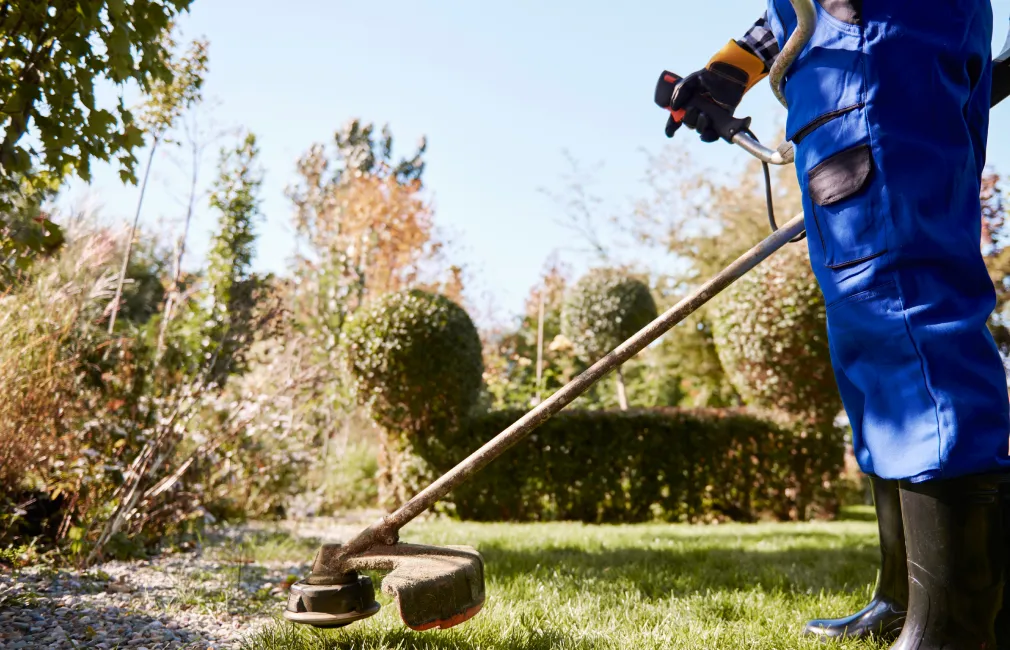
Converse Lawn Edging Types

Metal Lawn Edging
-
Plastic Lawn Edging
-
Stone Lawn Edging
-
Brick Lawn Edging
-
Wood Lawn Edging
-
Concrete Lawn Edging
-
Rubber Lawn Edging
Our Lawn Edging Process
Site Evaluation
Marking Edges
Cutting the Edge
Debris Removal
Final Inspection
Why Choose Converse Landscape Services
-
Converse Homeowners Trust Us
-
Expert Lawn Maintenance
-
Reliable Scheduling
-
Competitive Pricing
-
Professional Team
-
Satisfaction Guarantee
-
Personalized Service
Soil Series and Drainage Considerations for Lawn Edging in Converse
Lawn edging in Converse requires careful attention to local soil conditions, which are predominantly Vertisols and Mollisols, including the Houston Black clay series. These soils are characterized by high clay content, alkaline pH (7.5-8.2), and a tendency for poor drainage and seasonal expansion. When installing lawn edging, it is essential to excavate to a minimum depth of 4-6 inches to ensure stability and prevent heaving during wet-dry cycles. Soil compaction is common in developed neighborhoods, so incorporating 2-3 inches of compost and conducting a soil test through Texas A&M AgriLife Extension (typical cost: $15-25) is recommended. Key steps include:
- Excavate to 4-6 inches depth for edging stability
- Amend with compost for improved drainage
- Test soil pH and adjust with lime or sulfur as needed
- Avoid installation during saturated conditions
Municipal Ordinances and Equipment Operation Hours for Lawn Edging in Converse
Converse enforces specific municipal ordinances regarding equipment operation for lawn edging and related landscape work. According to city code, permitted hours for powered equipment are:
- Monday-Friday: 7:00 AM - 7:00 PM
- Saturday: 8:00 AM - 6:00 PM
- Sunday and holidays: Prohibited Noise levels must not exceed 85 decibels at the property line. All debris generated during edging must be collected and disposed of according to city guidelines—plastic bags are prohibited; use biodegradable bags or 32-gallon bins. For projects involving hardscape or curb modifications, a permit from the Building Services Division is required (application fee: $50; review time: 5-10 business days).
Converse Building Services Division
406 S. Seguin, Converse, TX 78109
Phone: (210) 658-8285
Official Website: Converse Building Services Division
Stormwater Compliance and Buffer Requirements for Edging Near Converse Waterways
Lawn edging projects adjacent to Converse’s creeks, drainage channels, or wetlands must comply with local and federal stormwater regulations. The Clean Water Act and Converse’s MS4 permit prohibit the discharge of soil, mulch, or debris into storm drains. Maintain a minimum 25-foot no-disturbance buffer from all mapped wetlands and a 50-foot setback from perennial streams. Clippings and soil must be contained and never swept into the street. For properties near sensitive areas, coordinate with the Public Works Department for site-specific guidance.
Converse Public Works Department
8855 Business Ct., Converse, TX 78109
Phone: (210) 658-3453
Official Website: Converse Public Works Department
Statewide, the Texas Commission on Environmental Quality (TCEQ) enforces stormwater management under the Texas Water Code. Violations may result in fines or remediation orders.
Seasonal Timing and Weather Considerations for Lawn Edging in Converse’s Climate
Converse is located in USDA Hardiness Zone 8b, with average annual minimum temperatures of 15-20°F and hot, dry summers. Optimal timing for lawn edging installation is from October 1 to April 30, when soil moisture is moderate and temperatures range from 55°F to 75°F. Avoid edging during peak summer (June-August) due to soil hardness and heat stress. Monitor local forecasts through the National Weather Service Austin/San Antonio Office to avoid heavy rainfall events, which can cause soil instability and erosion. Recommended timing:
- Fall installation: October 1 - December 15
- Spring installation: February 15 - April 30
- Avoid: June-August (soil compaction, heat)
- Check soil moisture before trenching
Professional Standards and Safety Protocols for Lawn Edging in Converse
All lawn edging work in Converse must adhere to professional safety and equipment standards. Operators are required to use:
- Eye protection: ANSI Z87.1 safety glasses
- Hearing protection: Earmuffs or plugs for 85+ dB
- Footwear: Steel-toed, non-slip boots
- Gloves: Cut-resistant for edging, chemical-resistant for herbicide use Maintain a 15-foot clearance from overhead utilities and mark underground lines before excavation (call 811 at least 48 hours in advance). Equipment must be commercial-grade, with blades sharpened every 20-25 hours of use. For projects near public sidewalks or roads, set up safety cones and warning signage 100 feet in advance. The Code Compliance Division enforces these standards and investigates violations.
Converse Code Compliance Division
406 S. Seguin, Converse, TX 78109
Phone: (210) 658-8285
Official Website: Converse Code Compliance Division
What Neighborhoods Do We Serve Throughout Converse, TX?
- Converse Heights: Features mature trees and established lawns with compacted clay soils, requiring deep edging and careful debris management to prevent runoff into neighborhood drainage channels.
- Meadowbrook: Characterized by newer developments with moderate lot sizes and improved drainage, but with high sun exposure and occasional construction fill soils affecting edging stability.
- Windfield: Contains a mix of older and newer homes, with variable soil compaction and proximity to Judson High School, necessitating attention to pedestrian safety and equipment operation hours.
- Northampton: Located near city parks and greenbelts, this area has stricter buffer requirements for properties adjacent to protected open spaces and seasonal wet areas.
- Miramar: Known for larger lots and HOA oversight, requiring compliance with additional community standards for edging height, material selection, and debris containment.
- Escondido North: Features newer infrastructure and underground utilities, making utility marking and adherence to setback requirements especially important for safe edging installation.
- Placid Park: Includes properties near flood-prone zones, where edging must be designed to withstand periodic inundation and prevent soil migration into stormwater systems.